

On Maui, the phrase “challenging hike” can mean a lot of things. Sometimes it means lung-burning elevation gain across volcanic slopes. Sometimes it means muddy jungle ridges, stream crossings, or narrow cliffside trails where your attention matters as much as your stamina. And occasionally, it means all three before lunch.
For experienced hikers, Maui offers some of the most rugged and rewarding terrain in world. From cloud forests high on the slopes of Haleakalā to razorback ridges in the West Maui Mountain, these hikes reveal parts of the island many visitors never see.
This guide covers some of the most difficult and demanding hikes on Maui, ordered from shortest mileage to longest — along with the preparation, safety awareness, and respect these trails deserve.
Naturally, Maui doesn’t hand out these views easily.
Maui Difficult Hikes Comparison Table
| Trail | Distance | Elev. Gain | Challenge | Level |
|---|---|---|---|---|
| Waiheʻe Ridge Trail | 4+ miles | ~1,600+ ft | Mud, slippery roots, exposure | Hard |
| Pipiwai Trail | 4+ miles | ~ 800+ ft | Mud, humidity, flash flood risk | Hard |
| Lahaina Pali Trail | 5 miles | ~1,600 ft | Heat, sun exposure, no shade | Hard |
| Sliding Sands Trail | 11+ miles full crater | ~2,800 ft descent/return | Altitude, return climb, heat | Very Hard |
| Kaupō Gap Trail | 18+ miles | ~6,000 ft | Remote, rescue risk, full day | Extreme |
What Makes a Maui Hike Challenging?
A trail can be difficult for many reasons:
- Rapid elevation gain
- Slippery mud and exposed roots
- Flash-flood-prone stream crossings
- Intense sun exposure
- High elevation and thin air
- Dense rainforest conditions
- Long mileage with little shade
- Narrow ridgelines and steep drop-offs
Maui’s terrain also changes fast. A sunny morning can become a downpour in an hour, especially on the windward side of the island. Even experienced hikers should check weather conditions carefully and avoid trails during heavy rain.
One more thing: many unofficial “Instagram hikes” on Maui cross private land or damaged ecosystems. Respecting local access rules helps preserve trails and relationships with the community.
1. Waiheʻe Ridge Trail
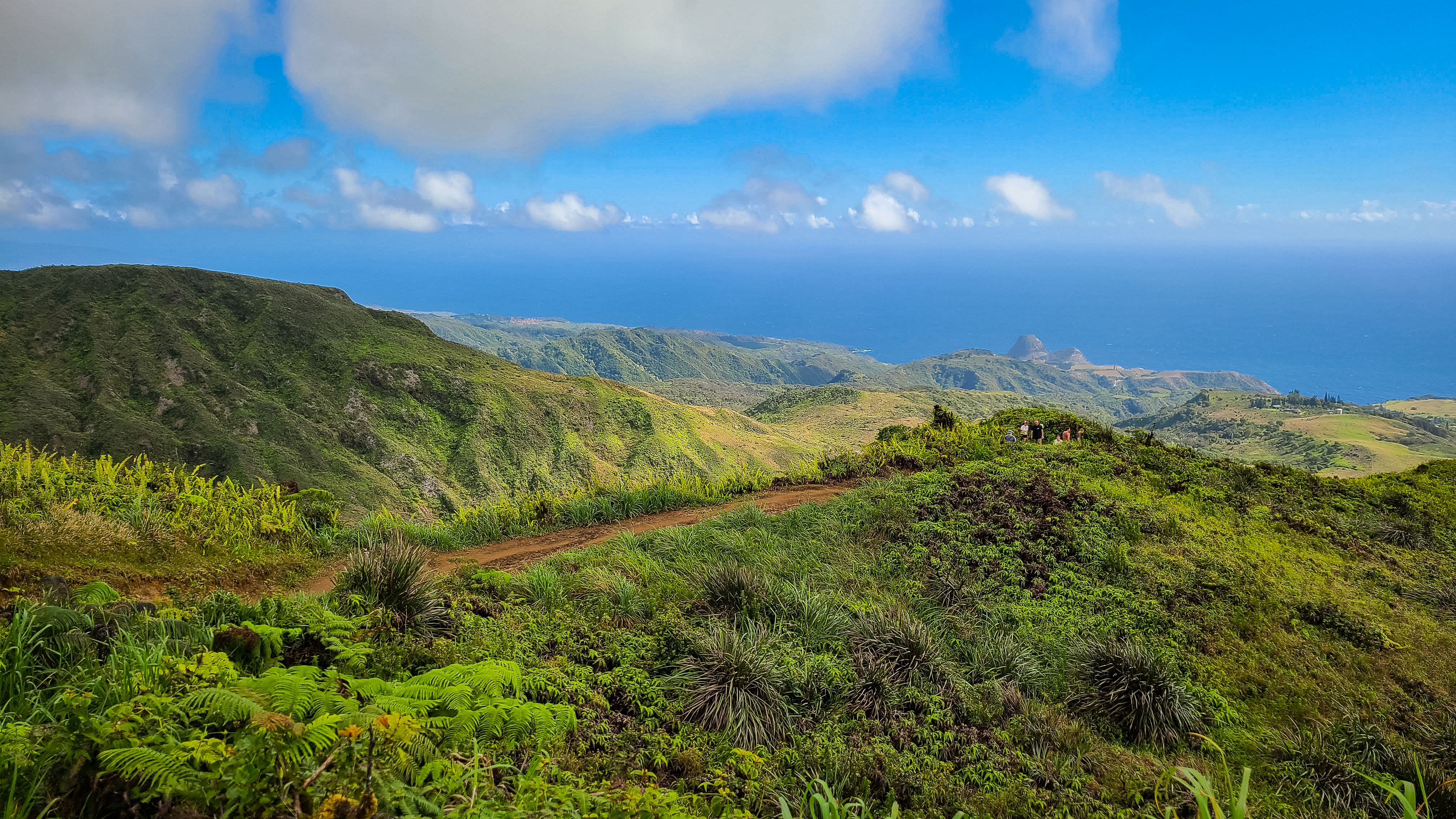
The Waiheʻe Ridge Trail is one of Maui’s most famous ridge hikes — and for good reason. The trail climbs through dripping rainforest into sweeping views of the deeply carved Mauna Kahalawai (West Maui Mtn).
What makes this trail difficult is not just the elevation gain, but the footing. Maui mud has a personality of its own. After rain, the trail becomes slick enough to turn hiking poles into survival equipment.
Why It’s Challenging
- Steep grade
- Extremely muddy conditions
- Slippery roots
- Frequent cloud cover and rain
What Makes It Worth It
On clear mornings, hikers can see deep valleys, waterfalls, and cloud forests that feel almost prehistoric. The Mauna Kahalawai’s peak is among the wettest places on Earth, supporting dense native ecosystems filled with ʻōhiʻa lehua (Metrosideros polymorpha) and hāpuʻu tree ferns (Cibotium menziesii).
Best Time to Go
Early morning typically offers the clearest weather before clouds roll in. (Gate opens at 7 AM)
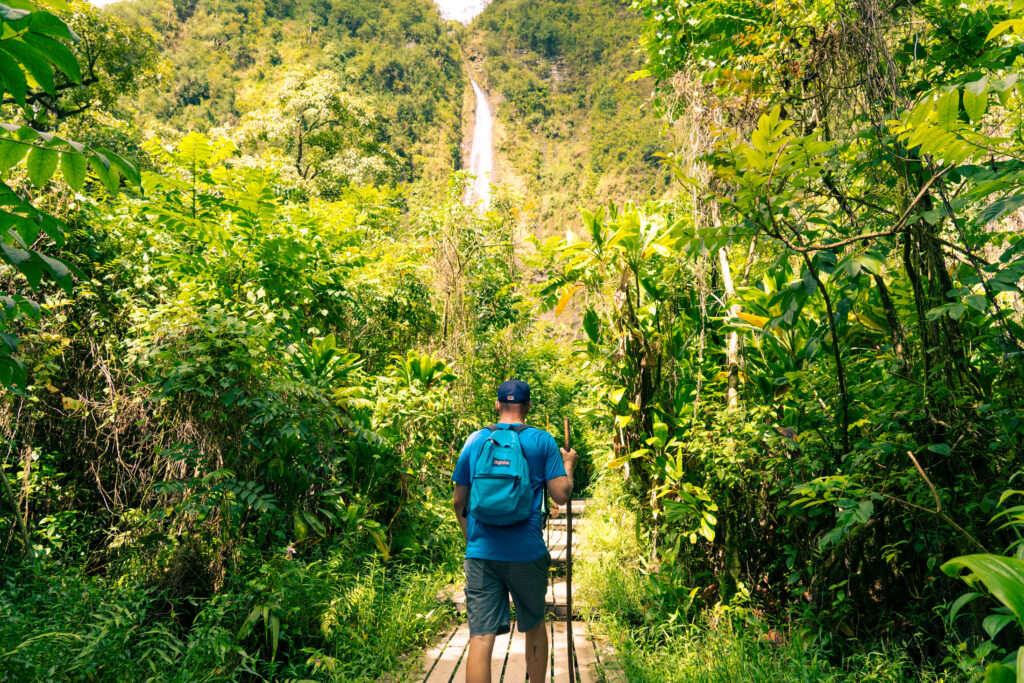
2. Pipiwai Trail
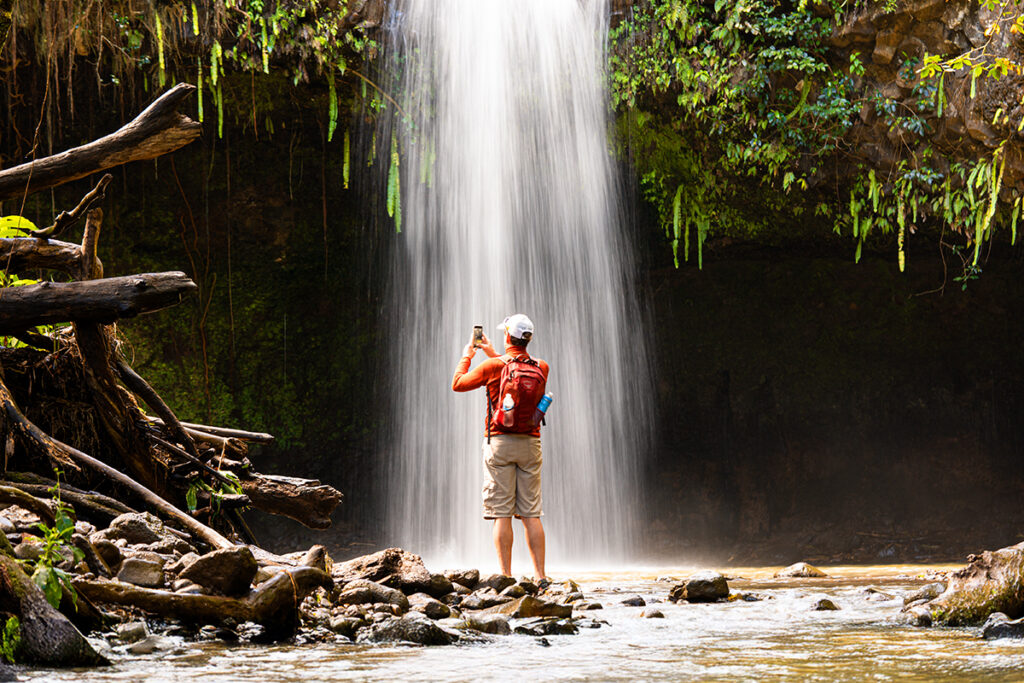
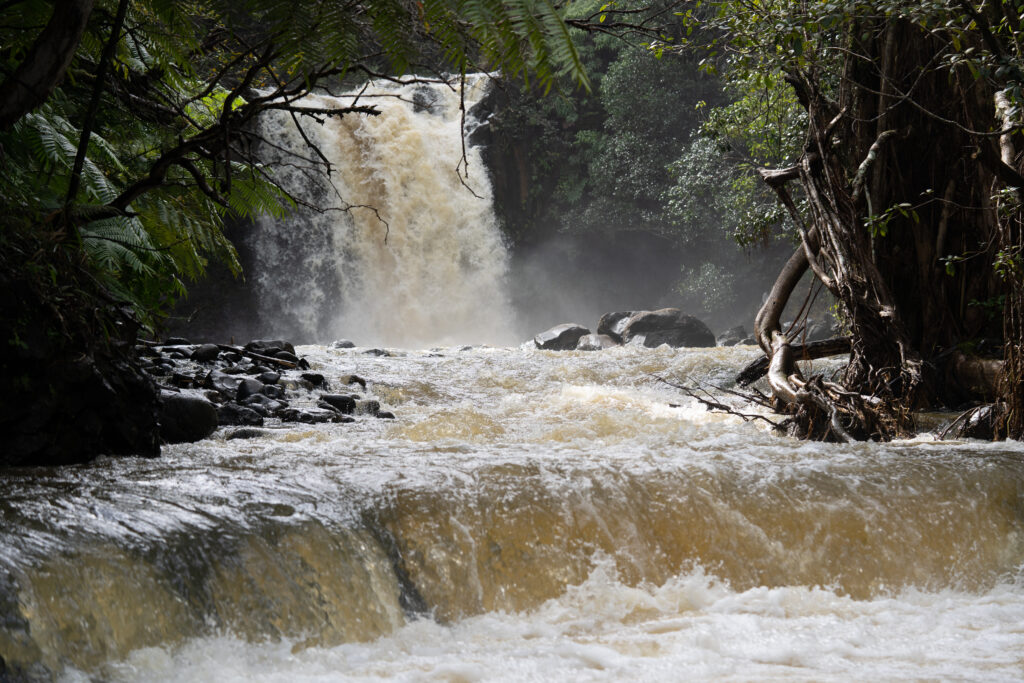
Most visitors know the Pipiwai Trail for its bamboo forest and the towering Makahiku Falls. But experienced hikers often continue farther into the backcountry terrain beyond the typical tourist turnaround points to the stunning 400′ Waimoku Falls.
Conditions become much more demanding deeper into East Maui’s rainforest systems.
Why It’s Challenging
- Constant mud
- Stream crossings
- Humidity
- Slippery terrain
- Rapid weather changes
Ecological Significance
East Maui’s rainforest ecosystems are incredibly sensitive and biodiverse. Native birds like the ʻapapane (Himatione sanguinea) and Hawaiʻi ʻamakihi (Chlorodrepanis virens) still survive in some upper elevation forests.
Because of invasive species and watershed degradation, staying on designated trails is especially important here.
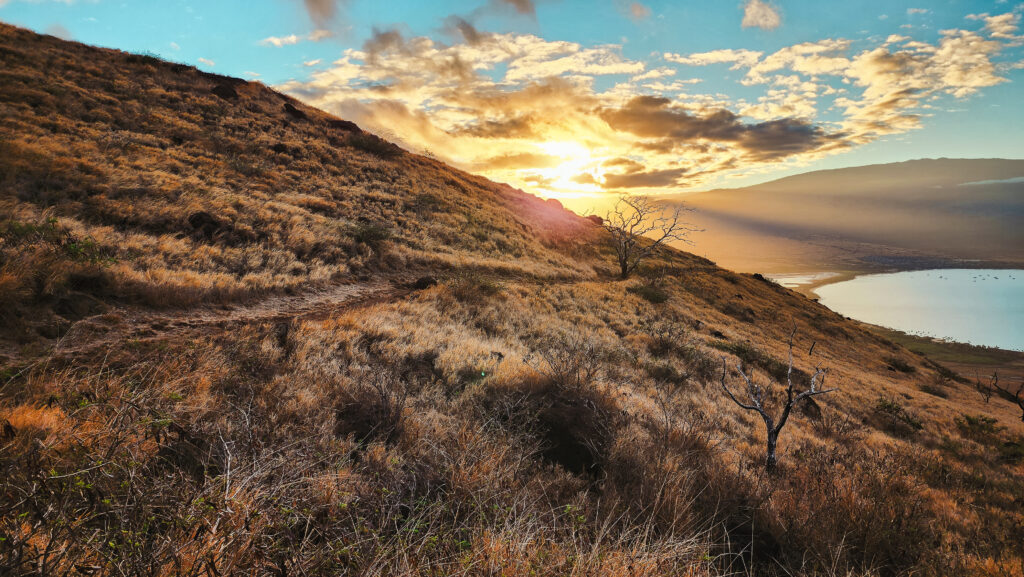
3. Lahaina Pali Trail
Unlike Maui’s rainforest hikes, the Lahaina Pali Trail is brutally exposed.
This historic trail crosses the mountains between Maʻalaea and Lahaina and follows portions of an old Hawaiian footpath once used long before modern roads connected West Maui.
Why It’s Challenging
- Intense heat exposure
- Strong winds
- Steep switchbacks
- No shade
- Dry conditions
Historical Context
Before the Honoapiʻilani Highway existed, Native Hawaiians traversed these mountain paths regularly between districts. Hiking the Pali today offers a glimpse into the island’s older transportation routes and the endurance they required.
Bring
- Electrolytes
- Sun protection
- More water than expected
- Trail shoes with grip for loose rock
This is one of those hikes where a cloudy day is actually a gift. Start early to beat the heat! The gate on Ma’alaea side opens at 5 AM.
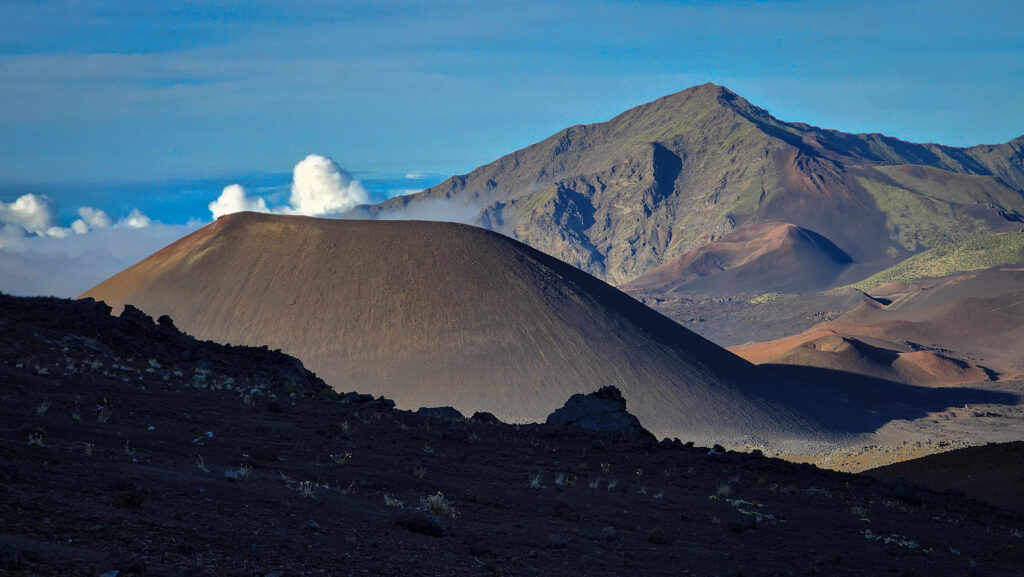
4. Sliding Sands Trail into Haleakalā Crater
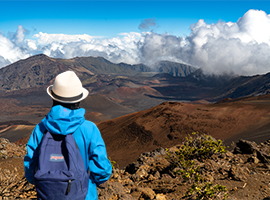
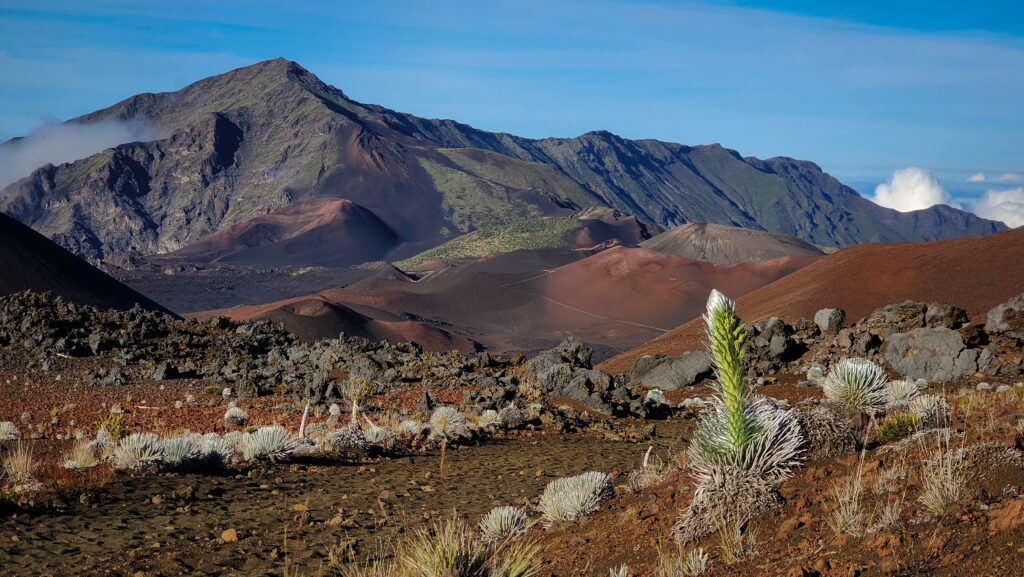
The Sliding Sands Trail, also known as Keoneheʻeheʻe Trail, inside Haleakalā National Park is deceptive. The descent feels easy at first — soft volcanic gravel, wide open views, surreal red cinder cones — but the climb back out can humble even strong hikers.
Starting near 10,000 feet, the elevation alone affects many visitors. The crater landscape feels more like Mars than Hawaiʻi, with sparse alpine vegetation adapted to intense sun, cold nights, and volcanic soil.
Why It’s Challenging
- High elevation
- Intense UV rays
- Steep return climb
- Temperature swings
- Long mileage options
Naturalist Notes
Keep an eye out for the endangered Haleakalā silversword plant (Argyroxiphium sandwicense subsp. macrocephalum), one of Maui’s most remarkable endemic species. These rare plants evolved specifically for Haleakalā’s harsh alpine conditions and bloom only once in their lifetime.
Pro Tip
Most hikers underestimate the return climb. Bring more water than you think you’ll need and pace yourself slowly at altitude.
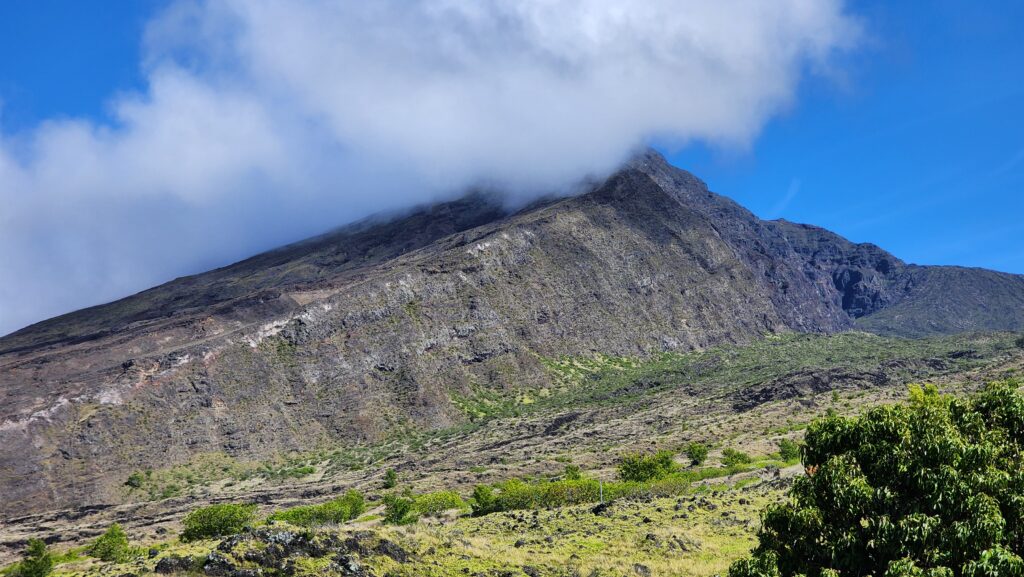
5. Kaupō Gap Trail: For Experts Only
The Kaupō Gap descent traces one of Maui’s most dramatic elevation changes, dropping from the high volcanic wilderness of Haleakalā toward remote East Maui and, for some hikers, eventually down toward sea level.
This is not a casual day hike. Whether approached as a long summit-to-sea descent or as part of a more ambitious sea-to-summit route, Kaupō Gap requires advanced planning, excellent fitness, route awareness, and often shuttle logistics. Conditions can shift dramatically with elevation, weather, and trail maintenance — from exposed volcanic terrain near the crater to remote ranchland and rugged backcountry lower down.
Why It’s Challenging
- Very long mileage
- Massive elevation changes
- Remote terrain
- Limited rescue access
- Weather exposure
Important Considerations
This route should only be attempted by highly experienced hikers prepared for wilderness travel. Always verify current trail conditions and National Park guidance before attempting backcountry routes.
Safety Tips for Maui’s Toughest Hikes
Respect Water Conditions
Flash floods happen quickly in Maui valleys and stream systems. Never cross fast-moving water.
Start Earlier Than You Think
Afternoon weather often deteriorates, especially in rainforest regions.
Wear Proper Footwear
Maui mud can be extraordinarily slick. Trail runners with aggressive tread or quality hiking boots help significantly. Check out our blog all about the right footwear for Maui’s various hikes HERE.
Pack Essentials
Bring:
- Extra water
- Trekking Poles
- Electrolytes
- Rain shell
- Headlamp
- Satellite phone or SOS device
- Sun protection
- Snacks with salt
- Offline maps
Know Your Limits
Many Maui rescues involve visitors underestimating trail conditions or heat exposure.
Turning around is always smarter than becoming a helicopter story, or worse…
Guided Hiking Can Open a Different Side of Maui
Some of Maui’s most memorable landscapes become even more meaningful when explored with knowledgeable local guides who understand the island’s geology, ecology, and cultural history.
At Hike Maui, guides help visitors experience Maui beyond the overlooks — from rainforest ecosystems and hidden waterfalls to stories about native plants, Hawaiian navigation, and watershed conservation.
For travelers who want adventure without worrying about route-finding, weather interpretation, or access logistics, a guided hike can offer a deeper connection to the island.
The most challenging hikes on Maui are not just workouts. They are immersive experiences through volcanic wilderness, cloud forest ecosystems, ancient Hawaiian pathways, and landscapes shaped by millions of years of geological change.
The reward isn’t only the view at the top.
It’s the feeling of moving carefully through places that still feel genuinely wild. Join us.